
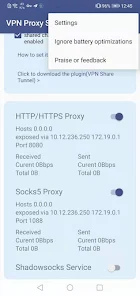
VPN Proxy Server Mod Apk v.1.9.2 (Premium Unlocked)

- App Name VPN Proxy Server
- Version 1.9.2
- Sizes 4 MB
- Requirements Android 5.0
- Developer WellDoMax
- Genre Tools
- Updated Nov 02, 2025
- Platform GooglePlay






In today’s fast-evolving digital landscape, mobile applications have become indispensable tools for communication, entertainment, productivity, and countless other aspects of modern life. The demand for efficient and secure platforms to discover, download, and manage these applications has never been higher. This article explores the critical features, security considerations, and future trends shaping the world of mobile app repositories, offering a comprehensive overview for developers, users, and industry observers alike. We will delve into key aspects such as app discovery, security protocols, user experience, and the challenges of maintaining a trusted and robust ecosystem. Ultimately, understanding these elements is crucial for navigating the dynamic and competitive world of mobile applications.
The Evolving Landscape of App Discovery
The sheer volume of applications available across various platforms presents a significant challenge for users: how to efficiently discover apps that meet their specific needs and preferences. Traditional app stores, while still dominant, are increasingly complemented by alternative app repositories that offer curated selections, specialized functionalities, or access to apps not available through official channels. The emergence of these alternative platforms reflects a growing demand for more personalized and diverse app experiences. These alternative app marketplaces often specialize in niche categories, such as gaming apps, productivity tools, or utilities tailored to specific regions or user groups.
A key trend in app discovery is the increasing reliance on personalized recommendations. Algorithms analyze user behavior, download history, and preferences to suggest relevant applications, enhancing the chances of users finding apps they will genuinely find useful. Another trend is the rise of app discovery platforms that focus on editorial content, featuring expert reviews, curated lists, and in-depth articles that guide users through the app landscape. These platforms provide valuable context and insights, helping users make informed decisions about which apps to download. If you are interested in learning more about this topic, read the full guide on our site. The emphasis on personalization and curated content is likely to intensify in the coming years, transforming the way users discover and engage with mobile applications.
Furthermore, the use of advanced search functionalities, including semantic search and natural language processing, is becoming increasingly prevalent. These technologies enable users to search for apps using more intuitive and conversational queries, rather than relying on exact keyword matches. For instance, a user might search for “best photo editing app for beginners” instead of simply “photo editor.” This enhanced search capability significantly improves the user experience and makes it easier for users to find the apps they need. This is complemented by an increase in the importance of Search Engine Optimization (SEO) for apps, making it essential for developers to understand how to optimize their app store listings and promotional materials to improve visibility. Effective SEO strategies, including keyword research, app title optimization, and compelling descriptions, are crucial for attracting organic traffic and increasing app downloads.

Security as a Paramount Concern
Security remains a paramount concern in the mobile app ecosystem. The proliferation of malicious apps, privacy breaches, and data security vulnerabilities necessitates a robust security framework to protect users and their sensitive information. App repositories play a crucial role in this framework by implementing rigorous security protocols and vetting processes to identify and prevent the distribution of harmful apps. This includes malware detection, vulnerability scanning, and adherence to strict privacy policies. One of the key security challenges is the prevalence of repackaged apps, where legitimate apps are modified with malicious code and distributed through unofficial channels. App repositories must employ advanced techniques to detect and prevent the distribution of such repackaged apps.
Furthermore, the rise of sophisticated phishing attacks and social engineering schemes poses a significant threat to app users. These attacks often involve deceiving users into downloading malicious apps or providing sensitive information through fake app interfaces. App repositories must educate users about these threats and provide tools to verify the authenticity and integrity of apps before installation. Regular security audits, penetration testing, and collaboration with security researchers are essential for identifying and addressing potential vulnerabilities. In addition, many platforms are now implementing “bug bounty” programs to incentivize security researchers to report vulnerabilities, further enhancing the overall security posture. You can learn more about this topic here. The development of advanced threat intelligence capabilities is also crucial for proactively identifying and mitigating emerging threats.
Maintaining user privacy is another critical aspect of app security. App repositories must ensure that apps adhere to strict privacy policies and obtain explicit user consent before collecting or sharing personal data. The implementation of privacy-enhancing technologies, such as data anonymization and differential privacy, can help protect user privacy while still allowing for valuable data analysis and insights. The increasing emphasis on data privacy regulations, such as GDPR and CCPA, further underscores the importance of robust privacy controls and transparent data handling practices. App repositories that prioritize user privacy and security are more likely to gain user trust and maintain a positive reputation.
User Experience and Interface Design
User experience (UX) and interface design are critical factors in the success of any app repository. A well-designed platform should be intuitive, easy to navigate, and visually appealing, providing users with a seamless and enjoyable experience. This includes clear search functionality, intuitive browsing categories, and informative app descriptions. The user interface (UI) should be clean, consistent, and optimized for various screen sizes and devices. A key trend in UX design is the use of minimalist interfaces that prioritize simplicity and ease of use. Cluttered or confusing interfaces can frustrate users and lead to lower engagement and retention rates. Usability testing and user feedback are essential for identifying and addressing potential UX issues.
Personalization also plays a significant role in enhancing the user experience. App repositories can leverage user data and preferences to personalize the interface, recommend relevant apps, and provide customized content. This can include displaying apps based on user location, language, or interests. In addition, the use of interactive elements, such as animations and micro-interactions, can add visual appeal and make the platform more engaging. Mobile-first design principles are crucial for ensuring a seamless experience across all devices. This involves optimizing the layout, navigation, and content for smaller screens and touch-based interactions. Explore additional insights and examples on UX design best practices and see how these principles contribute to user satisfaction and engagement.
Accessibility is another important consideration in UX design. App repositories should be designed to be accessible to users with disabilities, including those with visual, auditory, motor, or cognitive impairments. This includes providing alternative text for images, captions for videos, and keyboard navigation support. Adherence to accessibility standards, such as WCAG, is essential for ensuring that the platform is inclusive and usable by all users. Furthermore, the speed and performance of the platform are critical for providing a positive user experience. Slow loading times or unresponsive interfaces can frustrate users and lead to abandonment. Optimizing the platform for performance, including minimizing image sizes and leveraging caching techniques, is essential for ensuring a smooth and responsive experience.

Future Trends and Recommendations
The future of mobile app repositories is likely to be shaped by several key trends, including the increasing use of artificial intelligence (AI), the growing importance of security and privacy, and the rise of decentralized app stores. AI can be used to enhance app discovery, personalize user experiences, and automate security processes. For example, AI-powered algorithms can analyze app reviews and user feedback to identify potential issues and improve app quality. Similarly, AI can be used to detect and prevent malicious apps by analyzing app behavior and code patterns. The integration of AI into app repositories is likely to become increasingly prevalent in the coming years.
Security and privacy will continue to be paramount concerns, driving the development of more robust security protocols and privacy-enhancing technologies. This includes the use of blockchain technology to create decentralized app stores that are more resistant to censorship and tampering. Decentralized app stores can provide users with greater control over their data and privacy, as well as access to apps that are not available through traditional channels. In addition, the development of new authentication methods, such as biometric authentication and multi-factor authentication, will help protect users from unauthorized access to their accounts and data. The convergence of security, privacy, and decentralization is likely to transform the landscape of mobile app repositories in the coming years.
Finally, app repositories should prioritize user education and empowerment. This includes providing users with clear and concise information about app permissions, privacy policies, and security risks. Users should be empowered to make informed decisions about which apps to download and how to protect their data. App repositories should also provide tools for reporting suspicious apps and providing feedback on the platform. By prioritizing user education and empowerment, app repositories can foster a more trusted and secure ecosystem for mobile applications.













I think this article might be a bit off-topic. I was expecting information about VPN proxy servers, but it seems to be discussing mobile app repositories instead.
I think this article might be mislabeled. It seems to be discussing mobile app stores, not VPN proxy servers.
I think this article might be a bit off-topic. The intro seems to be about mobile app repositories, not VPN proxy servers.