
Train Simulator 2 Mod Apk v.0.2.0 (Free Purchase)
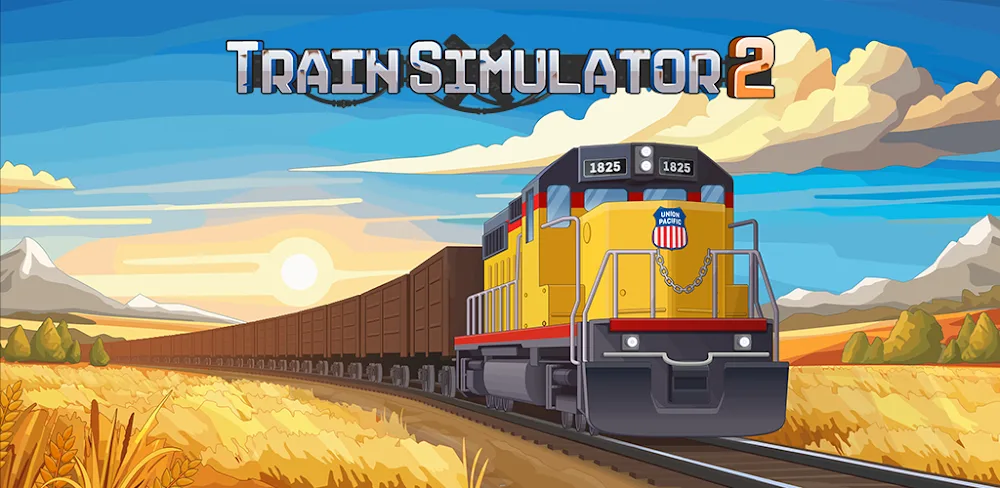
- App Name Train Simulator 2
- Version 0.2.0
- Sizes 293M
- Developer Azur Interactive Games Limited
- Genre Simulation
- Updated Nov 25, 2025

“`html
In today’s rapidly evolving digital landscape, mobile applications have become indispensable tools for both individuals and businesses. From streamlining daily tasks to facilitating global communication, the impact of app technology is undeniable. This article delves into key aspects of the app world, exploring the latest trends, challenges, and opportunities that define this dynamic industry, providing insights for users, developers, and anyone seeking to understand the forces shaping our increasingly connected world.
The Evolving Landscape of Mobile App Development
Mobile app development is in a perpetual state of flux, driven by technological advancements, changing user expectations, and evolving market demands. Once dominated by native app development, the landscape now embraces hybrid and cross-platform solutions, reflecting a growing need for efficiency and cost-effectiveness. Native apps, built specifically for a particular operating system (iOS or Android), offer superior performance and access to device-specific features. However, the cost and time associated with developing and maintaining separate codebases for each platform have spurred the adoption of alternative approaches.
Hybrid apps, built using web technologies like HTML, CSS, and JavaScript, are wrapped in a native container, allowing them to run on multiple platforms. Frameworks like Ionic and Cordova facilitate hybrid app development, enabling developers to leverage their web development skills to create mobile experiences. Cross-platform frameworks, such as React Native and Flutter, offer a compromise between native and hybrid approaches, enabling developers to write code once and deploy it across multiple platforms while maintaining near-native performance. Choosing the right development approach depends on factors such as project budget, timeline, performance requirements, and target audience. Consider the implications of each approach before beginning development. Interested in optimizing your mobile experience? You can explore the best Android emulators for PC to test and refine your apps.
The rise of low-code and no-code platforms is further transforming the app development landscape, empowering citizen developers to create applications without extensive coding knowledge. These platforms provide visual interfaces and pre-built components, enabling users to assemble applications through drag-and-drop functionality. While low-code/no-code solutions may not be suitable for complex, performance-critical applications, they offer a valuable option for creating simple, task-specific apps quickly and easily. This democratization of app development is poised to accelerate innovation and expand the reach of mobile technology.
Artificial intelligence (AI) and machine learning (ML) are also increasingly integrated into mobile app development, enabling features such as personalized recommendations, image recognition, and natural language processing. AI-powered apps can learn from user behavior and adapt to individual preferences, creating more engaging and relevant experiences. As AI and ML technologies continue to mature, we can expect to see even more innovative applications emerge, transforming the way we interact with mobile devices.
Navigating the App Store Ecosystem
The app store ecosystem, dominated by the Apple App Store and Google Play Store, presents both opportunities and challenges for developers. These platforms serve as the primary distribution channels for mobile apps, connecting developers with millions of potential users worldwide. However, the app stores are also highly competitive environments, with millions of apps vying for attention. Success in the app store requires a well-defined strategy that encompasses app store optimization (ASO), user acquisition, and app engagement.
App Store Optimization (ASO) is the process of optimizing app store listings to improve visibility and increase downloads. ASO involves optimizing app titles, keywords, descriptions, and screenshots to attract potential users. Conducting thorough keyword research and analyzing competitor apps are essential steps in ASO. Understanding user search behavior and tailoring app store listings accordingly can significantly improve app discoverability. Furthermore, positive app reviews and ratings can boost an app’s ranking in the app store, creating a virtuous cycle of increased visibility and downloads. You can find effective strategies for improving your app’s visibility on our site; read our guide on file manager apps for Android.
User acquisition involves attracting new users to an app through various marketing channels, such as social media, paid advertising, and content marketing. A well-defined user acquisition strategy is crucial for driving app downloads and building a user base. Understanding the target audience and tailoring marketing messages accordingly can improve the effectiveness of user acquisition efforts. App engagement focuses on retaining existing users and encouraging them to actively use the app. Strategies for improving app engagement include push notifications, in-app messaging, and personalized content. Providing a seamless user experience and regularly updating the app with new features and content can also help to keep users engaged. The app store ecosystem is constantly evolving, and developers need to stay up-to-date on the latest trends and best practices to succeed.
The increasing focus on user privacy is also shaping the app store ecosystem. Apple’s App Tracking Transparency (ATT) framework, which requires apps to obtain user consent before tracking their activity across other apps and websites, has had a significant impact on the mobile advertising industry. Developers need to adapt to this new reality by focusing on privacy-friendly user acquisition and engagement strategies. Building trust with users by being transparent about data collection practices is essential for long-term success in the app store ecosystem.
Emerging Trends and Future Directions
Several emerging trends are poised to shape the future of mobile app development. Augmented reality (AR) and virtual reality (VR) technologies are creating immersive experiences that are transforming industries such as gaming, retail, and education. Mobile apps are increasingly incorporating AR and VR features, enabling users to interact with the real world in new and innovative ways. The metaverse, a persistent, shared virtual world, is also gaining traction, with mobile apps playing a key role in accessing and interacting with metaverse environments. The integration of blockchain technology into mobile apps is enabling new use cases such as decentralized finance (DeFi), non-fungible tokens (NFTs), and secure data storage.
The increasing prevalence of 5G networks is enabling faster data speeds and lower latency, paving the way for more sophisticated mobile applications. 5G is particularly beneficial for apps that require high bandwidth, such as video streaming, online gaming, and AR/VR applications. The convergence of mobile and edge computing is also creating new opportunities for app developers. Edge computing involves processing data closer to the source, reducing latency and improving performance. This is particularly important for applications that require real-time processing, such as autonomous vehicles and industrial automation. Consider how these evolving technologies can enhance your app’s performance. For instance, you might find useful tips and tricks within our overview of free VPN apps for Android, particularly if your app deals with data security.
Wearable technology, such as smartwatches and fitness trackers, is also becoming increasingly integrated with mobile apps. Wearable apps provide users with convenient access to information and functionality, such as health tracking, notifications, and mobile payments. As wearable technology becomes more sophisticated, we can expect to see even more innovative wearable apps emerge. The future of mobile app development is bright, with a wealth of opportunities for innovation and growth. By staying up-to-date on the latest trends and technologies, developers can create compelling mobile experiences that meet the evolving needs of users.
Conclusion: Embracing the Future of Mobile Applications
The mobile app landscape is a dynamic and ever-changing environment, driven by technological innovation, evolving user expectations, and market forces. This article has explored key aspects of this landscape, from the evolving approaches to app development to the challenges and opportunities presented by the app store ecosystem, and the emerging trends that are shaping the future of mobile applications. Developers and businesses seeking to thrive in this competitive environment must embrace agility, innovation, and a user-centric approach. By staying informed about the latest trends, investing in user experience, and adapting to the changing demands of the market, they can unlock the full potential of mobile technology.
The democratization of app development through low-code/no-code platforms, the integration of AI and ML, and the emergence of new technologies such as AR/VR and 5G are creating unprecedented opportunities for innovation. By embracing these trends and leveraging them to create compelling mobile experiences, developers can transform the way we live, work, and interact with the world around us. The future of mobile applications is bright, and the possibilities are endless.
“`
- Votes: 1
- Comments: 0





















There are no comments yet :(