
Root Board Game Mod Apk v.2.0.14 (Unlocked Full Version)
- App Name Root Board Game
- Version 2.0.14
- Sizes 37M
- Requirements Android 7.0
- Developer Dire Wolf Digital
- Genre Paid
- Updated Nov 10, 2025
- Platform GooglePlay
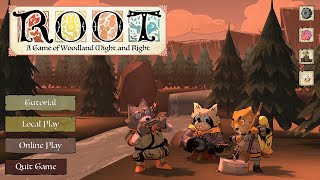
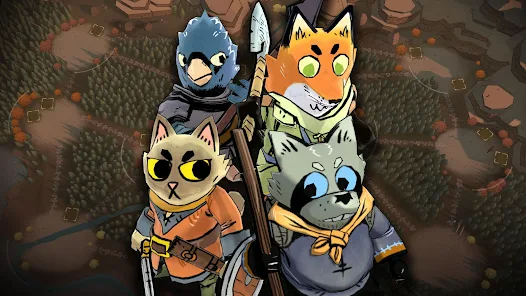
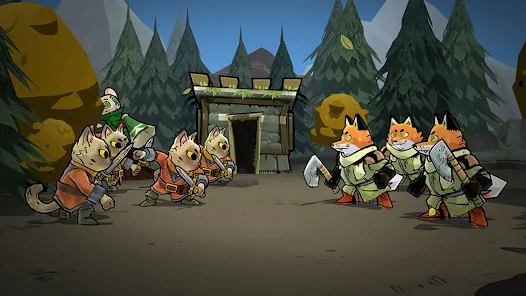
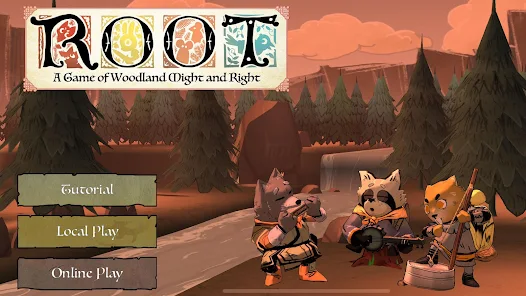
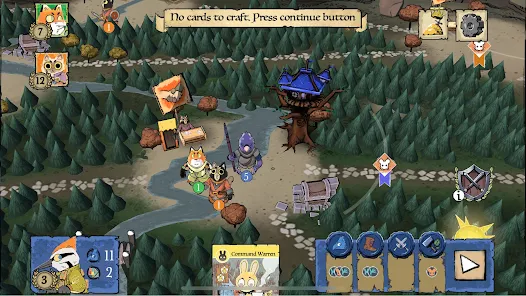
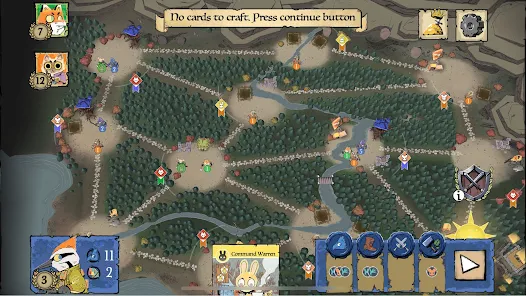

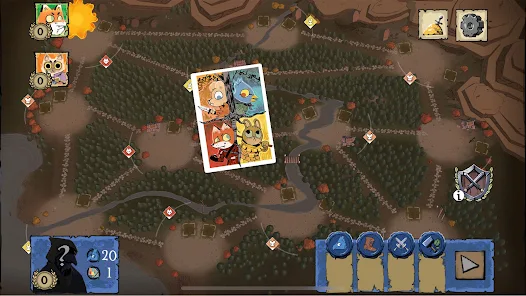
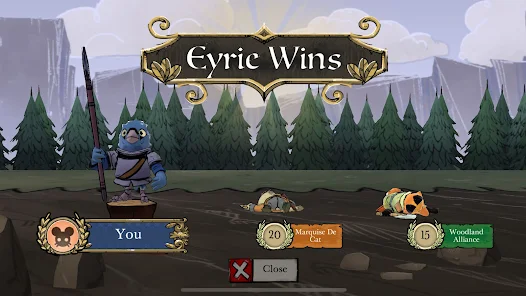


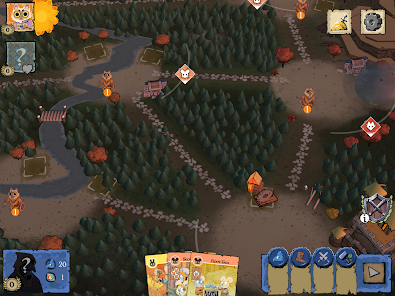
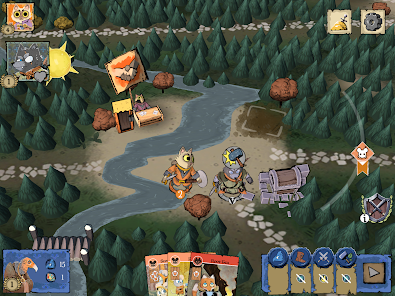




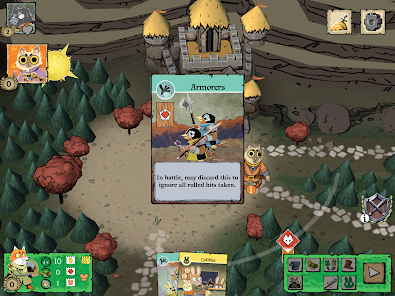
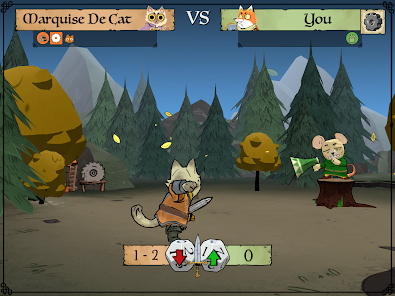


In an era where digital distractions abound, the resurgence of strategic tabletop games offers a profound escape into worlds of intricate decision-making, compelling narratives, and engaging social interaction. Among these, the Root Board Game has carved out a significant niche, captivating players worldwide with its unique blend of asymmetrical gameplay, enchanting animal-themed aesthetics, and deep strategic complexity. This award-winning title transcends the typical board game experience, presenting a rich tapestry of woodland conflict where various factions vie for dominance, each with its own distinct goals and mechanics. Its growing popularity is a testament to the enduring appeal of thoughtfully designed games that challenge the mind, foster social connection, and provide endless replayability. As the digital adaptation further broadens its reach, Root continues to be a trending topic in both the physical and virtual gaming communities, celebrated for its innovative design and the dynamic stories that unfold with every play.
The Asymmetrical Battlefield: Unpacking Root’s Factional Warfare
At the heart of the Root Board Game lies its groundbreaking approach to asymmetrical gameplay, a design philosophy that assigns each player a vastly different set of rules, objectives, and available actions. Unlike traditional strategy games where players operate under largely identical conditions, Root thrusts participants into the roles of distinct woodland factions, each possessing unique advantages and disadvantages in the ongoing struggle for forest supremacy. This ingenious design ensures that every game session offers a fresh, unpredictable challenge, demanding adaptable strategies and a deep understanding of not only one’s own faction but also the intricate workings of opponents.
Consider the core factions that define the initial conflicts. The Marquise de Cat represents an industrializing empire, focused on constructing workshops, sawmills, and recruiters to solidify their control over the vast forest. Their gameplay revolves around efficiency, resource management, and maintaining a pervasive presence across the map. In stark contrast, the Eyrie Dynasties are a proud, ancient lineage attempting to reclaim their former glory. Their gameplay is driven by a rigid “Decree” system, a sequence of actions that grows larger and more powerful each turn but can lead to devastating civil war if they fail to complete a mandated action. This creates a thrilling tension between ambition and the ever-present risk of collapse.
Then there’s the Woodland Alliance, a revolutionary force fighting against the oppressive rule of the Marquise and the rigid Eyrie. They begin as a small, covert insurgency, spreading sympathy tokens across the forest and inciting rebellion. Their power grows not through direct conquest but through the support of the oppressed creatures, culminating in open revolts that can dismantle established power structures. Finally, the Vagabond, a lone wanderer navigating the political landscape, plays a truly unique role. This character is not directly aligned with any faction but can form alliances, complete quests, and manipulate the other factions to achieve personal glory or influence the outcome of the war. The Vagabond’s journey is one of opportunism and strategic interaction, making them a wildcard in every game.
The interplay between these distinct factions creates a vibrant, living ecosystem of conflict. The Marquise’s expansive infrastructure is vulnerable to Alliance revolts. The Eyrie’s predictable Decree can be exploited by cunning opponents. The Alliance’s slow burn revolution needs careful protection from aggressive purges. And the Vagabond can either be a valuable ally or a treacherous foe, depending on their changing allegiances. This fundamental asymmetry is what elevates Root from a simple strategy game to a complex, narrative-rich experience where understanding your opponent’s motivations and mechanics is just as crucial as mastering your own. It’s a testament to modern game design, emphasizing player interaction and dynamic emergent storytelling over static, predefined paths to victory, reflecting current trends in complex mobile gaming strategy where intricate systems lead to diverse outcomes.
Mastering the Forest: Leadership, Strategy, and Player Interaction
Beyond the inherent rules of each faction, the Root Board Game is a masterclass in encouraging dynamic player interaction and demanding sophisticated leadership. While often played competitively, success hinges not just on individual tactical prowess but also on understanding the broader strategic landscape and, crucially, anticipating and reacting to the actions of others. True leadership in Root involves more than simply moving pieces; it requires astute observation, calculated risk-taking, and a subtle command of the game’s evolving political climate.
Effective leadership in Root begins with a deep comprehension of your chosen faction’s core strengths and weaknesses, as well as its optimal path to victory. For instance, a Marquise de Cat player must lead their forces with an industrial mindset, prioritizing resource management and efficient building to maintain their economic engine while simultaneously defending their vast territories. An Eyrie Dynasties player, conversely, must lead with unwavering resolve, meticulously planning their Decree turns to avoid turmoil while constantly expanding their influence. The Woodland Alliance demands a leader who can inspire and organize a covert rebellion, skillfully navigating the line between subtle expansion and open revolt. Meanwhile, the Vagabond requires a leader adept at diplomacy and opportunism, choosing when to ally and when to betray for maximum personal gain.
However, no faction operates in isolation. The battles in Root are inherently team-based, even in competitive scenarios, because the actions of one player inevitably impact all others. Players must learn to “build consensus” not in the sense of formal teamwork (unless playing a specific cooperative variant) but through a shared understanding of the board state and the potential threats it poses. This often manifests as informal negotiations, temporary alliances, or even “kingmaking” scenarios where players influence who wins to prevent a more threatening opponent from securing victory. Effective communication, both explicit and implicit through board actions, becomes paramount. Understanding when to consolidate power, when to expand aggressively, and when to play defensively is a constantly shifting puzzle that demands adaptable leadership.
The game’s design encourages a high degree of player interaction. Battles are swift and brutal, but often less about total annihilation and more about strategic positioning and control. Players must engage in tactical combat, using their warriors and advantageous terrain to disrupt opponents’ plans or secure key clearings. Resource management is another critical component; knowing which clearings provide which resources and how to deny them to rivals adds another layer of strategic depth. The constant ebb and flow of power, territory, and influence creates a living narrative, where every decision, every move, and every interaction contributes to the unfolding saga of the woodland war. This deep engagement transforms mere gameplay into a profound experience of strategic planning and social dynamics, making Root a staple for those who appreciate complex strategy games on mobile and tabletop alike.
The Intricate Ecosystem: Beasts, Cards, and Dynamic Gameplay
The allure of the Root Board Game extends far beyond its innovative mechanics, deeply embedding itself within a vibrant and engaging thematic world. The “Diverse Animal System” is not merely a cosmetic choice but a foundational element that informs every aspect of the game, creating an immersive ecosystem where charming creatures engage in fierce, tactical warfare. From the cunning foxes to the stoic rabbits, the industrious cats, and the proud birds, each animal species is imbued with distinct characteristics and plays a role in the grander conflict. This thematic richness is beautifully rendered through stunning artwork and components, drawing players into the lush, yet dangerous, forest setting.
The game masterfully translates the concept of diverse animal roles into tangible gameplay elements. For instance, the Marquise de Cat’s warriors are feline, representing their organized military and industrial might. The Eyrie Dynasties are birds, embodying their ancient, regal, yet sometimes volatile, rule. The Woodland Alliance consists of the small, oppressed creatures of the forest – mice, rabbits, and foxes – symbolizing their grassroots rebellion. Even the Vagabond is often depicted as a lone raccoon, a scavenger and opportunist traversing the various factions. This clever integration of theme into mechanics makes the game not only visually appealing but also intuitively understandable, helping players grasp their faction’s identity and strategic approach.
Complementing this rich bestiary is the “Card Collection” system, a pivotal mechanic that adds layers of strategic depth and tactical flexibility. While a rudimentary version of Root could conceivably be played without cards, they are an indispensable component, dramatically enhancing gameplay by introducing diverse skills, strengths, and unpredictable opportunities. The game features a shared deck of “item cards” and “crafting cards” that players can acquire and utilize. These cards represent various items found in the forest – boots for extra movement, swords for combat advantages, tea for extra actions, and more – or powerful effects that can be crafted using specific clearing suits. Each team, or rather, each faction, strategically manages their hand of cards, often limited to a certain number, to maximize their combat effectiveness and achieve their objectives.
The strategic deployment of cards is crucial. Players continuously collect cards through various actions, but the true skill lies in knowing when and how to apply them promptly and correctly. A well-timed card can turn the tide of a battle, grant a crucial extra action, or provide the resources needed to complete a vital building. The crafting system adds another layer of interaction, encouraging players to control clearings of specific suits to activate powerful card abilities. This blend of thematic animal factions with a dynamic card-driven economy creates a constantly evolving tactical landscape, where players must balance their long-term strategic goals with the immediate opportunities and challenges presented by the draw of a card. It’s a prime example of modern board game design, where every element, from the artistic presentation to the core mechanics, works in harmony to deliver a deeply engaging and replayable experience.
From Tabletop to Digital: Accessibility and Community Engagement
The enduring appeal of the Root Board Game, initially a physical tabletop experience, has been significantly amplified by its successful transition into the digital realm. This adaptation has not only made the game more accessible to a global audience but has also fostered a vibrant and expansive community, transforming how players engage with this complex strategic masterpiece. The ability to “play exciting game modes with your friends,” whether across a physical table or virtually across continents, is a testament to the game’s robust design and universal appeal.
The digital adaptation of Root has brought numerous benefits. For many, the physical setup time and the need for dedicated space can be barriers to entry for complex board games. The digital version eliminates these hurdles, offering streamlined tutorials, automated rule enforcement, and quick matchmaking. This means new players can learn the intricacies of the game at their own pace, while seasoned veterans can jump straight into competitive matches without the overhead of physical setup. The digital interface also provides clear visual cues and game state information, which can be invaluable for understanding the multifaceted interactions between factions. Furthermore, the digital platform has introduced single-player modes against sophisticated AI opponents, allowing players to hone their skills and experiment with different faction strategies before facing human adversaries.
The move to digital has also democratized access to the Root experience. Players who might not have local gaming groups or access to physical copies can now easily connect with friends and strangers online. The convenience of cross-platform play often means that a game can be enjoyed with friends regardless of their preferred device, fostering a sense of camaraderie and shared strategic challenge. Whether it’s a casual evening of cooperative play to gang up on an aggressive AI, or a fierce competitive tournament, the digital environment makes these interactions seamless and enjoyable. This cooperative spirit, where players show off their abilities as the highest-ranking member of the army they and their friends are building, translates powerfully from tabletop to digital, enriching the overall experience for every participant.
Beyond casual play, the digital adaptation has cultivated a thriving online community. Forums, Discord servers, and streaming platforms are abuzz with strategy discussions, faction guides, and tournament announcements. This vibrant ecosystem allows players to share insights, debate optimal strategies, and learn from experienced players, constantly deepening their understanding and appreciation of the game. The profound experience of playing Root, whether physically or digitally, is amplified by the shared passion and collective engagement of its global community. This evolution highlights a significant trend in the gaming industry: how digital adaptations not only preserve the essence of beloved tabletop games but also expand their reach, longevity, and community interaction, ensuring that the woodland war for supremacy continues to captivate for years to come.
Charting the Future of Forest Warfare: Key Insights and Recommendations
The Root Board Game stands as a monumental achievement in modern game design, a testament to the power of asymmetrical mechanics, rich thematic integration, and deep strategic complexity. Its journey from a critically acclaimed tabletop success to a widely adopted digital experience underscores its universal appeal and innovative approach to competitive and cooperative play. The key insights derived from Root’s enduring popularity are multifaceted: the demand for games that offer truly unique player experiences, the value of robust strategic depth coupled with accessible learning curves, and the undeniable draw of a captivating narrative woven into every game turn.
The game’s success offers valuable lessons for both designers and players. For game creators, Root exemplifies how a bold design philosophy, like its core asymmetry, can lead to unparalleled replayability and emergent storytelling. For players, it highlights the rewards of investing in games that challenge the mind and foster social interaction. The intricate balance between the Marquise’s industrial might, the Eyrie’s rigid decree, the Alliance’s revolutionary fervor, and the Vagabond’s opportunistic machinations creates a dynamic environment where no two games are ever truly alike. This constant variability ensures that the game remains fresh and engaging, even after numerous plays, solidifying its position as a cornerstone of the strategic gaming landscape.
Looking ahead, the future of Root, and indeed the broader landscape of complex strategic games, appears bright. Continued expansions for the physical game introduce new factions and mechanics, perpetually refreshing the gameplay. The digital adaptation is likely to evolve, potentially incorporating new features, enhanced social tools, and further optimizations that broaden its accessibility. The game’s robust community will undoubtedly continue to thrive, organizing tournaments, developing new strategies, and introducing new players to the intricacies of woodland warfare.
For readers eager to delve into this captivating world, we offer a few recommendations. Firstly, embrace the learning curve; Root is a game that rewards patience and a willingness to experiment. Start by mastering one faction before exploring others, and don’t hesitate to consult community guides or online tutorials. Secondly, seek out diverse playing experiences – try both competitive and cooperative modes, and engage with players of varying skill levels. Finally, immerse yourself in the rich lore and thematic elements; understanding the motivations behind each animal faction adds a deeper layer of appreciation to the strategic decisions you’ll make. Root is more than just a game; it’s an intricate, living ecosystem waiting to be explored, offering endless strategic possibilities and memorable moments for anyone willing to command its charming, yet fierce, woodland inhabitants.
Whats News
The Woodland is getting wilder! Hirelings & Landmarks arrives with new ways to shape the map, and fresh faces to sway the balance of power!Alongside the new expansion, we’ve shipped a broad round of polish based on your feedback. You’ll notice tighter rules fidelity, steadier performance, and smarter opponents — all aimed at improving the overall experience.
Jump in, explore new combos, and tell us what you uncover — your reports have been instrumental in making Root Digital the best it can be!
- Votes: 1
- Comments: 2
Download Root Board Game for Android for free.
Unlocked Full Version











While Root is undeniably beautiful and innovative, its complexity can be a major barrier to entry for new players, making it less accessible than the article suggests. Getting everyone on board with different faction rules can take a while.
While I appreciate the praise for Root, I think the learning curve can be incredibly steep for new players, which hinders the accessibility and enjoyment for some. That “deep strategic complexity” can feel more like overwhelming complexity at first.