

“`html
The gaming landscape is constantly evolving, and strategic card games with rich narratives are experiencing a surge in popularity. Players are drawn to experiences that offer both engaging storylines and complex gameplay mechanics, allowing for deep immersion and strategic decision-making. This article explores the core elements that make such games captivating, examining the narratives, deck-building systems, and social dynamics that contribute to their success.
EPIC STORYLINE
Compelling narratives are essential for drawing players into a game’s world and motivating them to progress. These stories often explore themes of loss, redemption, and the struggle against overwhelming odds, resonating with players on an emotional level. As you learn about strategic deckbuilding, consider how narrative depth enhances player engagement.
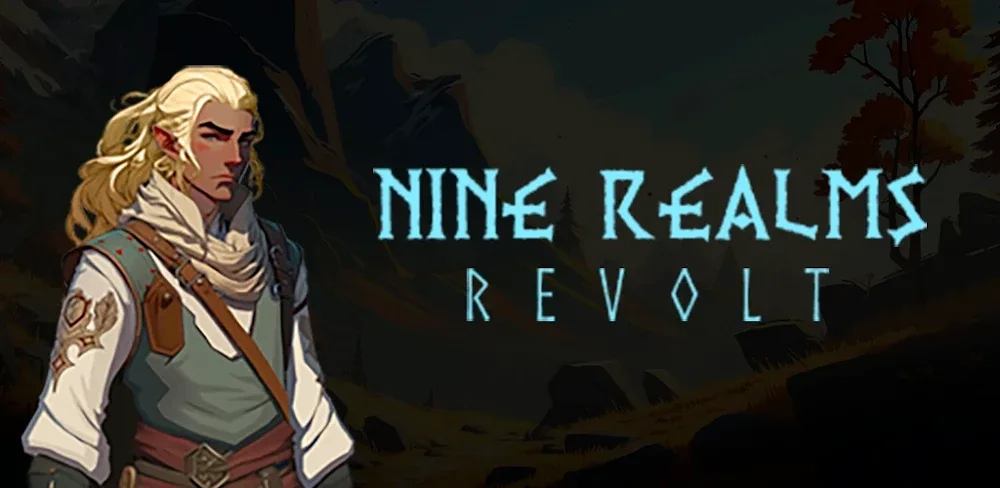
- Set in the aftermath of Ragnarok, the game reimagines familiar myths and legends, presenting players with a fresh perspective on classic tales. The post-apocalyptic setting provides a backdrop for a story of rebuilding and resilience.
- You play as Fjolnir: Embodying the role of a heroic figure, players are tasked with preventing further conflict and restoring balance to a fractured world. As Fjolnir, you must make difficult choices and confront formidable enemies.
- Journey through diverse realms: The game features a variety of distinct environments, each with its own challenges and opportunities. Exploring these realms is crucial for gathering resources and uncovering secrets.
STRATEGIC DECKBUILDING
At the heart of many successful card games lies a robust deck-building system. This allows players to customize their strategies and adapt to different challenges. A well-designed deck-building system encourages experimentation and rewards careful planning. You can also find more information about similar games here.
- Create custom decks: Players are given the freedom to construct decks tailored to their preferred playstyle. This involves carefully selecting cards that synergize well and complement each other’s strengths.
- Form alliances for power: Collaboration with other players can provide significant advantages, allowing for the sharing of resources and the coordination of strategies. These alliances can be crucial for overcoming difficult challenges.
- Dynamic, strategic battles: Combat encounters demand careful planning and adaptability, requiring players to think on their feet and adjust their strategies in response to changing circumstances.
“`
- Votes: 1
- Comments: 0











There are no comments yet :(