
“`html
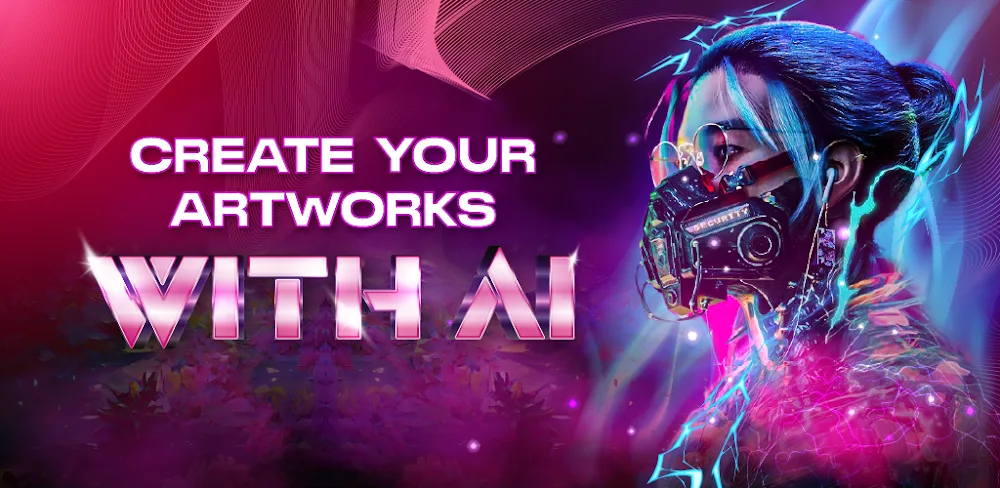
The intersection of artificial intelligence and art is rapidly transforming creative expression, making tools like AI Picasso increasingly popular. These platforms empower users to generate unique artwork from simple text prompts and images, unlocking artistic potential regardless of skill level. This article explores the capabilities of AI Picasso, examining its features, potential applications, and impact on the creative landscape.
Unlocking Creativity Through Text-to-Image Generation
AI Picasso’s core functionality lies in its ability to translate textual descriptions into visual art. Users can input prompts describing anything from serene landscapes to fantastical creatures, and the AI will generate corresponding images in a variety of artistic styles. This allows for the realization of imaginative concepts without the need for traditional artistic skills. The AI algorithms interpret the text, creating multiple variations of an image based on the provided description, giving users options to refine and customize their vision. For example, a prompt like “a futuristic city at sunset” can produce a range of images, each with different color palettes, architectural styles, and levels of detail. Explore the potential of AI art creation and read the full guide on our site.
Transforming Photos with Artistic Filters
Beyond text-to-image generation, AI Picasso also excels at transforming existing photographs into various artistic styles. Users can upload portraits, landscapes, or any other image and apply a wide range of filters to create unique and engaging artwork. These filters can convert photos into paintings, anime-style avatars, sketches, and more. The application of these filters allows for experimentation with different artistic interpretations of the same image, enabling users to create visually striking and personalized content. For example, a simple photograph of a pet can be transformed into a vibrant cartoon or a classic oil painting. Discover new ways to enhance your photos and learn more about this topic here.
Curating Your Personal AI Art Collection
AI Picasso provides users with the ability to save their generated images, allowing them to build a personalized gallery of their AI-generated artwork. This feature encourages experimentation and iterative design, as users can revisit previous creations, remix them with new filters and text prompts, and track their artistic progress. The ability to save and organize creations also opens up possibilities for sharing artwork on social media platforms, printing them for personal decor, or even selling them as digital art. As users create and save more artwork, they develop an ever-expanding exhibition of personalized AI-generated art. To understand the technical aspects behind AI art generation, check out these AI development tools.
Fostering a Community of Creative Exploration
While AI Picasso offers advanced features for experienced artists, it also caters to beginners and hobbyists, fostering a supportive community for creative exploration. The platform encourages users to experiment with different text prompts and filters without the pressure of traditional artistic skill requirements. By generating multiple artworks from a single idea, users can discover new artistic styles and effects that resonate with them. With its user-friendly interface and an ever-growing library of artistic filters, AI Picasso aims to empower anyone to explore their creative potential and become an artist. The ease of use makes it an accessible tool for individuals who may not have formal art training but are interested in exploring the intersection of technology and art.
The Future of AI-Powered Art
AI Picasso represents a significant step forward in the democratization of art creation. By providing accessible tools for text-to-image generation and photo transformation, the platform empowers users of all skill levels to explore their creative potential. Its core features, including text-to-image creation, artistic filters, and personalized galleries, make it a versatile tool for a wide range of applications. As AI technology continues to evolve, platforms like AI Picasso will likely become even more sophisticated, offering users greater control over the creative process and blurring the lines between human and artificial intelligence in art. Looking ahead, it is crucial to consider the ethical implications of AI-generated art, including issues of copyright and originality. However, the potential for AI to enhance creativity and empower individuals remains immense, making it an exciting area to watch in the years to come.
“`
- Votes: 1
- Comments: 1










While AI art generators like AI Picasso are interesting, I think it’s a stretch to say they “unlock artistic potential.” They might democratize access to creating images, but true artistry involves a deeper level of skill, intention, and personal expression that AI can’t replicate (yet!).