
Airline Commander Mod Apk v.2.6.3 (Speed Multiplier, Missions Complete)
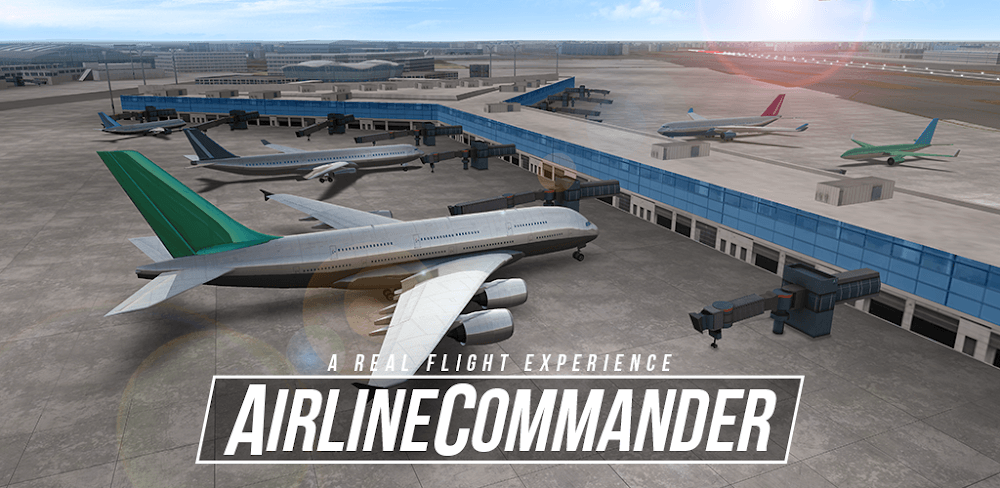
- App Name Airline Commander
- Version 2.6.3
- Sizes 475M
- Developer RORTOS
- Genre Simulation
- Updated Nov 24, 2025

“`html
The allure of aviation has captivated audiences for decades, and now, with sophisticated simulation technology, experiencing the life of an airline pilot is more accessible than ever. Airline simulation games are trending as they offer immersive and realistic gameplay, allowing players to manage airlines, navigate challenging weather conditions, and master the intricacies of flight operations. This article delves into the key elements that make these simulations so engaging, exploring the virtual skies and the challenges that await aspiring virtual pilots.
EXPLORING A VAST FLEET: AIRCRAFT VARIETY AND CUSTOMIZATION
One of the most compelling aspects of modern airline simulation games is the sheer variety of aircraft available. From classic propeller planes to modern wide-body jets, players have access to a vast hangar of options, each with unique performance characteristics and handling quirks. These games often feature meticulous recreations of real-world aircraft, allowing enthusiasts to delve into the details of specific models. Beyond simply collecting planes, players can often customize their aircraft with liveries, upgrades, and performance enhancements. This customization extends to internal systems as well, allowing players to fine-tune their aircraft for optimal performance on different routes and in varying conditions. For example, some players focus on maximizing fuel efficiency for long-haul flights, while others prioritize speed and maneuverability for regional routes. This aspect of aircraft management provides a deep level of engagement and strategic decision-making. If you’re interested in more simulation games, read the full guide on our site.
MASTERING THE SKIES: PILOT SKILL DEVELOPMENT AND CAREER PROGRESSION
Beyond simply owning a fleet of aircraft, airline simulation games emphasize the importance of pilot skill and career progression. Players typically start as novice pilots, gradually accumulating flight hours, earning licenses, and mastering increasingly complex aircraft. Many games incorporate realistic training modules that teach players the fundamentals of flight, navigation, and aircraft systems. As players gain experience, they unlock new opportunities, such as flying larger aircraft, taking on more challenging routes, and eventually managing their own airline. The career progression system provides a sense of accomplishment and encourages players to continuously improve their skills. Earning certifications, such as instrument ratings or type ratings for specific aircraft, adds another layer of depth and realism. Some games also incorporate elements of air traffic control interaction, requiring players to communicate with virtual controllers and follow established procedures. This immersive experience provides a taste of the real-world challenges faced by professional pilots. Players should check out this interesting article about strategy games.
NAVIGATING REAL-WORLD CHALLENGES: WEATHER, EMERGENCIES, AND UNEXPECTED EVENTS
A key element that sets airline simulation games apart is their ability to simulate real-world challenges and unexpected events. Weather plays a significant role, with players having to contend with turbulence, thunderstorms, and icing conditions. These conditions can impact aircraft performance, requiring pilots to adjust their flight plans and use their skills to maintain control. Emergency situations, such as engine failures, system malfunctions, and medical emergencies, add another layer of complexity. Players must react quickly and decisively, using their knowledge of aircraft systems and emergency procedures to safely resolve the situation. Furthermore, many games incorporate random events, such as bird strikes or unexpected air traffic congestion, that further test the player’s ability to adapt and problem-solve. These challenges create a dynamic and unpredictable environment, ensuring that no two flights are ever exactly the same. Through exposure to these virtual scenarios, players gain a deeper appreciation for the skills and expertise required to safely operate an aircraft. Managing resources effectively is another skill honed through such games; learn more about this topic here.
GLOBAL REACH: ROUTE PLANNING AND AIRPORT MANAGEMENT
Airline simulation games often extend beyond simply flying aircraft, incorporating elements of route planning and airport management. Players can design their own flight schedules, selecting routes based on demand, profitability, and aircraft capabilities. They must also consider factors such as fuel costs, airport fees, and maintenance schedules. Some games even allow players to build and manage their own airports, investing in infrastructure, attracting airlines, and optimizing operations. The strategic element of route planning adds a layer of depth to the gameplay, requiring players to think like airline executives and make decisions that impact the bottom line. Furthermore, the global scope of these games allows players to explore a wide range of destinations, from bustling international hubs to remote regional airports. Experiencing the challenges of operating flights in different regions of the world adds to the overall immersion and educational value of the simulation.
IMMERSIVE REALISM: GRAPHICS, SOUND, AND COMMUNITY
The realism of airline simulation games is constantly improving, thanks to advancements in graphics, sound, and community features. Modern games feature highly detailed aircraft models, realistic weather effects, and accurate recreations of airports and landscapes. The sound design is equally impressive, with authentic engine noises, cockpit sounds, and air traffic control chatter. The attention to detail creates a truly immersive experience, making players feel like they are actually in the cockpit of an aircraft. Furthermore, many games have thriving online communities, where players can share tips, discuss strategies, and even fly together in multiplayer mode. These communities provide a valuable resource for new players and a platform for experienced pilots to connect and collaborate. The combination of realistic graphics, immersive sound, and active community support has contributed to the growing popularity of airline simulation games, attracting both aviation enthusiasts and casual gamers alike.
CONCLUSION: THE FUTURE OF VIRTUAL AVIATION
Airline simulation games offer a compelling blend of realism, strategy, and skill-based gameplay. From mastering the intricacies of aircraft systems to navigating challenging weather conditions and managing complex flight schedules, these games provide a unique and engaging experience for aviation enthusiasts and casual gamers alike. As technology continues to advance, we can expect even greater levels of realism and immersion in future simulations. The potential for educational applications is also significant, with these games offering a valuable tool for training pilots, air traffic controllers, and other aviation professionals. The virtual skies are open, and the possibilities are endless.
“`
Whats Mods
MOD INFO?Mod 1
- Speed Game Multiplier
- Intrusive ADS Removed
Mod 2
- Missions Always Complete (even crash the plane, or leave the mission)
- For the mod to work correctly, first install the original (bypass version) and go through the tutorial in it, then, without deleting anything, install the mod.
- Votes: 1
- Comments: 0












There are no comments yet :(